Marketing for general insurers and underwriting agencies
Retention at renewal, new policies written inside appetite, and brand doing the work that makes a quote request happen at all.
Where the money moves.
The renewal notice is the largest marketing moment of your year, and it usually goes out without a marketer touching it. Every policyholder receives a price, compares it to last year, and decides in about ninety seconds whether to shop. Retention economics beat acquisition economics on almost every book, so the renewal communication, the mid-term contact and the claims experience deserve the attention that currently goes to the brand campaign. The renewal cohort is worked as a campaign, with its own creative, timing and reporting.
Volume outside appetite is worse than no volume. Marketing that optimises for quote count will cheerfully deliver risks the underwriters do not want, and the loss ratio shows it two quarters later. The targeting brief starts with appetite instead: the occupations, postcodes, sums insured and perils you want more of. Reporting then runs on policies written inside appetite and the premium behind them, which turns the marketing review into a conversation underwriting and actuarial can actually join.
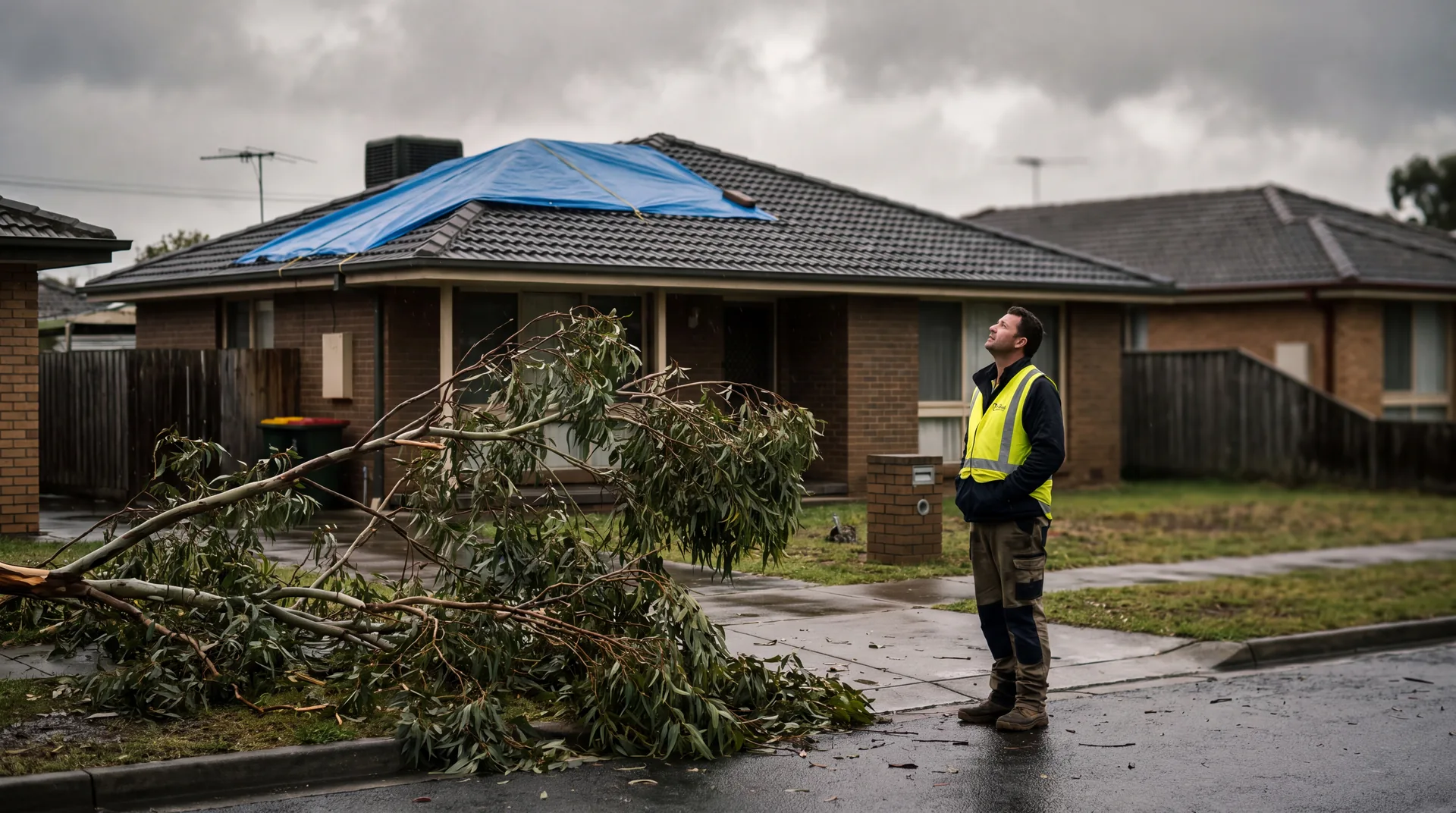
Storm season rewrites the plan. Between November and March a single catastrophe can put the claims team under pressure and make a cheerful campaign look tone deaf overnight, while search demand for cover spikes in the affected regions. Campaigns are built with a hold position and a response position written and approved before the season starts, so the response is a decision already made rather than an argument had while the phones are running hot. The same discipline applies to a premium increase cycle driven by reinsurance costs.
Direct, broker and authorised representative channels each need their own material, and treating them as one audience is why so much of it sits unopened. Brokers need appetite documented, underwriting contact points named and a BDM they can reach. Direct buyers need a quote path stripped of every question that is not load bearing. All of it sits inside the design and distribution obligations and the general insurance code, so target market alignment is settled at brief stage. Accounts, data and domains stay in your name.
What we run.
Renewal retention programme
The renewal cohort worked as a campaign: pre-renewal contact, a plain explanation of what moved the premium, and a save path for the calls that come in. It costs less than replacing a policy and it compounds into next year's book.
Appetite-led acquisition targeting
Paid search and paid social briefed off the underwriting appetite rather than the marketing plan, so the quote volume arriving matches the risks you want to write by occupation, region, sum insured and peril exposure.
Quote path optimisation
The quote form treated as the product it is, with every field justified against the drop-off it causes. Changes to question order, pre-fill and save-and-return move bind rate further than a new brand platform will.
Broker and authorised representative material
Appetite guides, underwriting one-pagers and BDM-ready material produced properly and kept current, plus enough search and social presence that a broker recognises the name before the BDM introduces it.
Catastrophe response communications
Claims and community messaging written and approved before the season, region-targeted and ready to run, with the pause condition written into the media schedule so brand activity stops without anyone having to remember.
Questions we get asked.
They should be. The brief starts with the occupations, regions, sums insured and perils the underwriters want more of, and targeting is built from that rather than from reach. Reporting then runs on policies written inside appetite and the premium behind them, which makes the review a shared conversation with underwriting rather than a marketing monologue.
With the decision already made. Before the season, a hold position and a response position are written and approved, and the media schedule carries the pause condition. When an event hits, brand activity stops in the affected regions and the claims and community messaging runs instead, so nobody is drafting policy while the phones are running hot.
Yes, with genuinely different material for each. Brokers and authorised representatives need documented appetite, clear underwriting contact points and collateral a BDM can use in a meeting. Direct buyers need a quote path with every unnecessary question removed. Treating the three as one audience is why so much distribution material never gets opened.
Target market alignment is settled at brief stage, not discovered at sign-off. Creative, targeting and channel selection are documented against the determination behind each product, and the record is kept in a form your compliance team can produce later. It removes the late rewrite and it holds up when distribution comes under review.
Also in insurance
Talk to us.
9 services under one team, run against the numbers your business already reports on.





Contact the Ignis Team
Send through your details and we will audit your business before we reply.