Vincent Buda and Company
A third generation supplier, rebuilt for how builders buy now.


The Brief
Vincent Buda and Company supplies builders out of Belmore, still in the family's hands generations on and trading now as VARRD Pty Ltd. Trade customers across Sydney metro order drainage, heelguards, bar chairs, lintels and general building supplies, most of it moving on same-day dispatch. The business was never the problem. What a builder could find out about it was. The range lived in the warehouse and in the heads of the people who sell it. Online there was no single record of what Vincent Buda actually stocks: no consistent photography across the products, no specifications a supervisor could check from the ute before ordering, nothing structured firmly enough that a website could be built on top of it. Buying moved onto a phone screen years ago and the catalogue was not there to meet it. Closing that gap is what Ignis was brought in to do, and it set the order of every piece of work that followed.
What We Built
- Website rebuild
- Product photography and specification assets
- Daily social content engine
- Paid media on Google and Meta
- Full product range photographed under a single locked treatment.
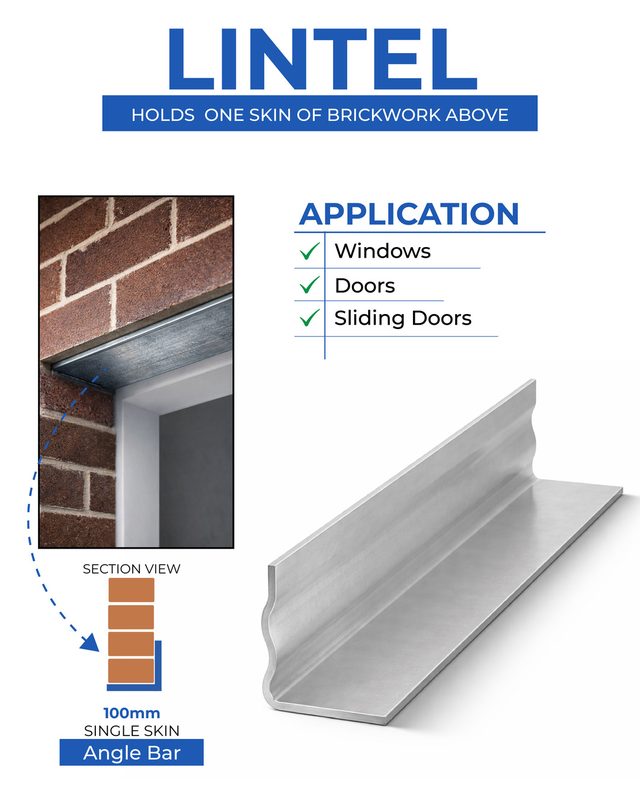
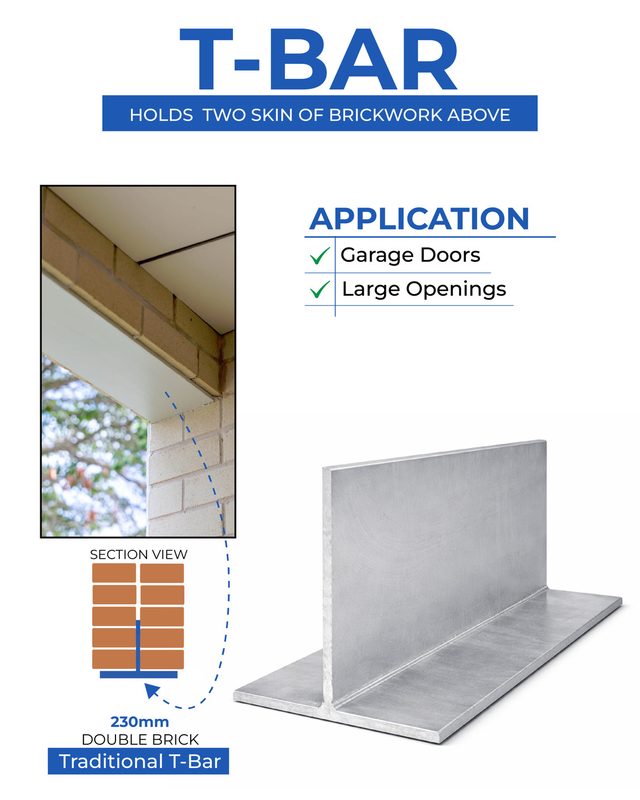
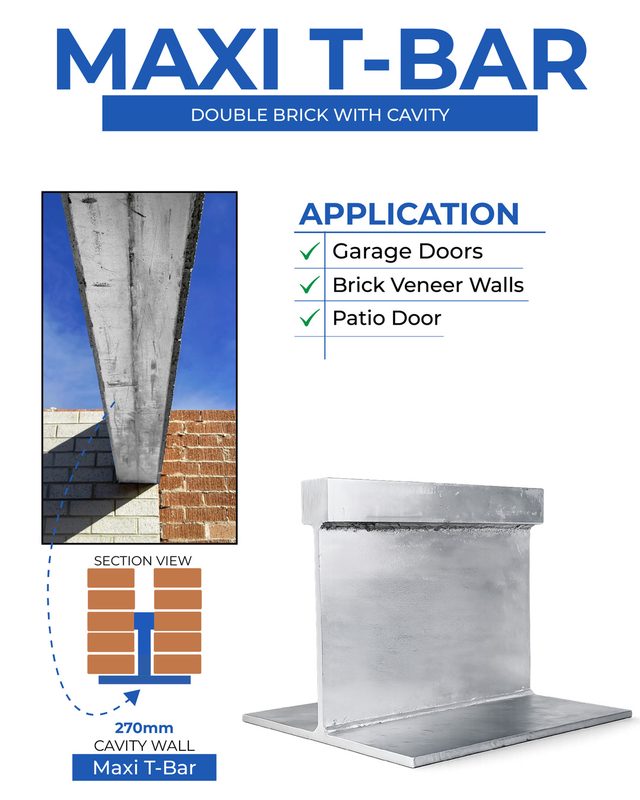
- Specification assets written product by product, paired to each photograph.
- Structured product catalogue used as the source for site, content and ads.
- Website rebuild, hero "Your Job is Our Job." carrying same-day dispatch and the founding line.
- Daily social content engine running off the catalogue.
- Google paid search campaigns landing on product pages.
- Meta paid social campaigns running off the same product records.
How It Runs
We did not start with the website. A site built before the range is described is a brochure with a menu on it, and it goes stale the week something changes in the warehouse. So the range came first: every item Vincent Buda stocks photographed and specified in writing, then held in a structured record that the website, the social content and the ad accounts all read from. That meant a long stretch of unglamorous work before anything was visible, which was the trade we wanted, because the catalogue is the spine everything since has been hung off.
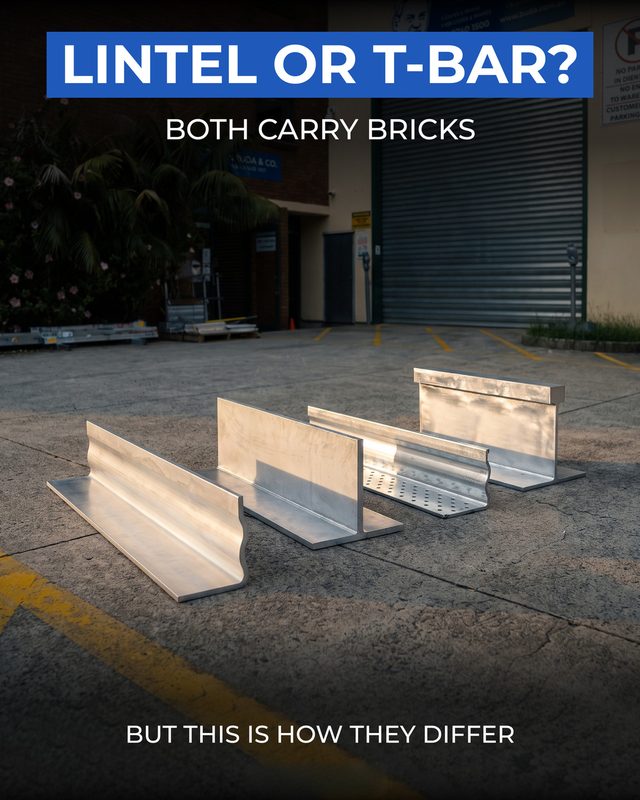
Photography ran as one job rather than a series of product shoots. Drainage products, heelguards, bar chairs and lintels are visually unrelated objects, and shot piecemeal they look like four different businesses. We locked a single treatment so a channel drain and a bar chair sit in the same frame language, then shot the range against it. The specification was written next to the photograph rather than after it, so the image and the spec came out of the same pass and could not drift apart later. That pairing, the shot plus the spec, is the unit the whole system moves around.
Only then did the site get built, and it got built on the catalogue rather than around it. Structure follows how a builder actually looks for something, by the product needed on the job in front of him, not by an internal category tree. The hero reads "Your Job is Our Job." and it sits with the same-day dispatch line and the founding line, because those are operating facts rather than slogans: one says when the material lands, the other says how long the family has been getting it there. Everything on the page had to answer a purchasing question or come off.
The daily content engine draws from the same catalogue. Because every product was already photographed and specified, producing a post stopped being a creative problem and became a scheduling one, which is the only way daily output survives past the first month. Content runs off real stock and the actual detail of what a thing does on site, so the social feed and the product pages tell an identical story. Update a product record in the catalogue and the content pulling from it updates with it. Nothing gets written twice, and nothing on social contradicts the website.
Paid media on Google and Meta was pointed at the product layer rather than the homepage. A builder searching for a specific drainage product or a heelguard is at the end of his decision, not the start, and sending that click to a homepage makes him do the finding again. Each campaign lands on the page for the thing he searched, with the specification and the photograph already sitting there. Meta carries the range and the trade relationship where intent is looser, Google catches the searches where the product name is already typed, and both run off the catalogue everything else uses.
Where It Landed
- Vincent Buda now has a photographed and specified record of its own range, held in one place. That record is the asset. The website, the social calendar and both ad platforms sit downstream of it, so a change made once shows up everywhere it needs to.
- The website reads like the business behaves. A builder can find a product, check its specification and understand the same-day dispatch promise without ringing anyone, and the founding line does the work it should, sitting as proof of a family business next to the practical detail.
- Social output runs daily rather than in bursts, and it runs on real product. The feed is a rolling view of what Vincent Buda stocks and what it does on site, so the content and the catalogue reinforce each other instead of competing for attention.
- Google and Meta send traffic into product pages rather than a front door. The path from a builder searching for a specific item to a page that answers him is short, and every campaign stands on the same photographed, specified record as the rest of the work.