Marketing for mining services and equipment suppliers
A handful of operations decide your year, and each one runs you through a portal, a prequalification profile and a site trial before a single order is written.
Where the money moves.
The list of accounts that decide your year is short. Every one of them buys through a system before a person: registration on ICN Gateway, a current Avetta or Cm3 profile, insurances, and a safety record that survives a desktop audit. That is the entry fee, not the sale. What marketing actually controls sits on the other side of that gate. Whether the reliability engineer can find field data on your equipment in the duty they run. Whether the category manager can name a comparable site. Whether the maintenance superintendent who likes your gear has something in writing to hand up the chain.
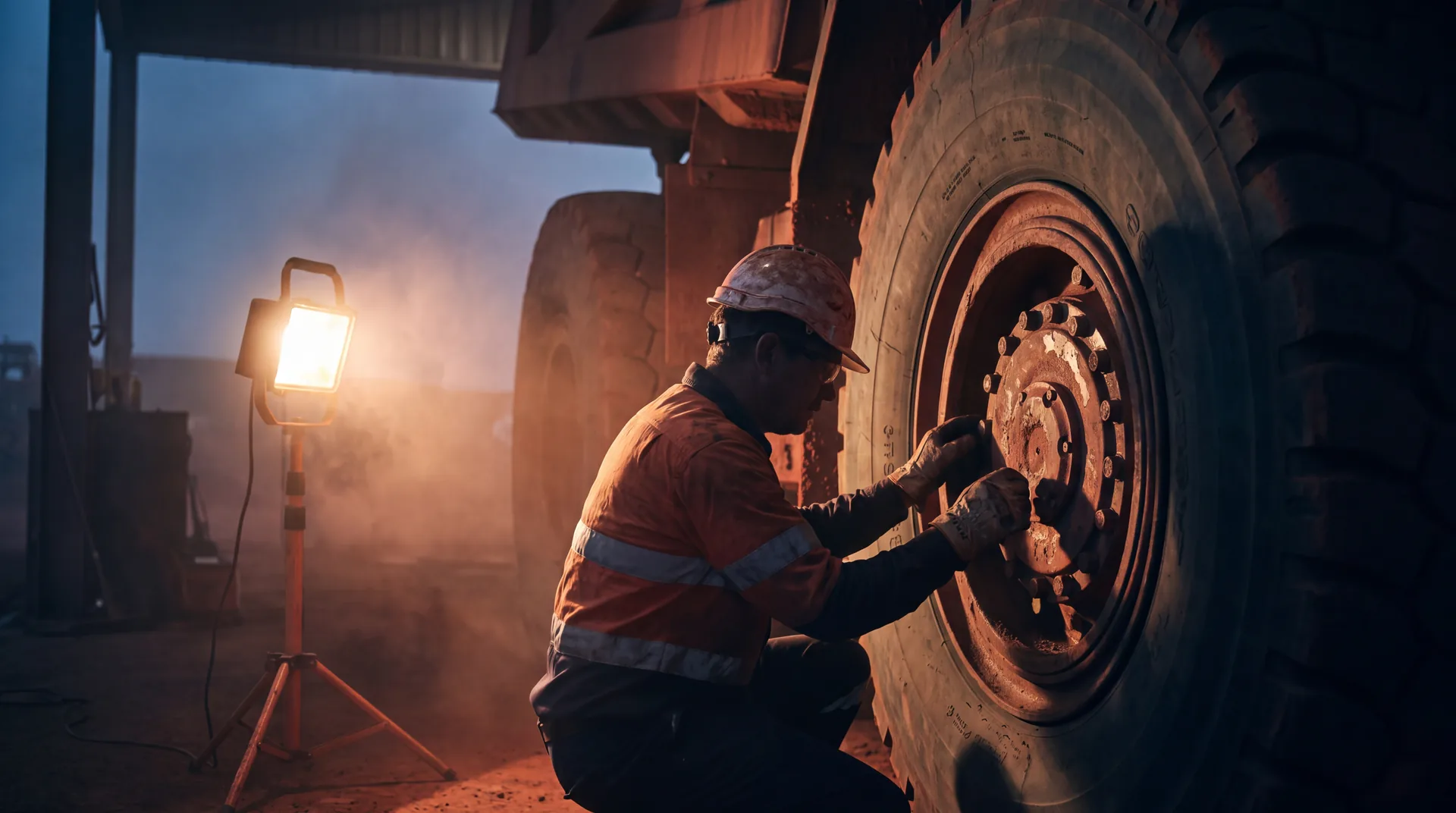
Evidence travels, opinion does not. A wear life comparison from a site running similar ore, a service report after a full campaign, a paper presented at IMARC or an Austmine event, footage of the unit working through a shutdown: those are the artefacts that get forwarded internally. Producing them means getting a camera and a writer onto an operating site, through induction, with the right permits and a supervisor who agrees to be filmed. That is the hard part of the job. It is also the only content a superintendent will read twice.
Digital in this sector is narrow and deep. LinkedIn holds the actual buying committee, addressable by account and job family, from procurement category managers to reliability and fixed plant engineers. Search matters less for category terms and more for the specific: part numbers, failure modes, the phrase an engineer types at 2am when a screen deck has cracked. Answer engines now sit in front of all of it. When a graduate is told to shortlist suppliers, the list comes back from a chatbot summarising whatever is indexed, so what is published about you is the shortlist.
Reporting is written against the accounts, not the impressions. We track movement inside named operations: which sites have been reached, who on the buying committee has engaged, which trial conversations opened, what the tender pipeline looks like this quarter against last. Everything is built in your name from day one, including the ad accounts, the domains, the analytics and the raw footage from site, because the evidence base you spend a decade building belongs on your own shelf.
What we run.
Named account programme
We build the target list from the operations that matter, map the buying committee inside each, and run paid and organic against those names. Reach is measured by account penetration, not audience size.
Site evidence production
Camera and writer on an operating site, through induction, capturing an installation, a shutdown or a trial. Output is a case record with duty conditions, the wear data you are permitted to publish, and footage cut for LinkedIn and the tender pack.
Search built on failure modes
Pages written for the queries engineers actually run: part numbers, wear symptoms, replacement intervals, compatibility with the fleet already on the pad. The same pages feed the answer engines a graduate uses to draw up a shortlist.
Prequalification and tender assets
Capability statements, HSE documentation, portal profiles and technical spec sheets kept current, so nothing is written in the week the EOI arrives. One library, one source, updated as the fleet and the approvals change.
The conference year
IMARC, AIMEX, QME in Mackay and the Austmine calendar carry the relationships. The campaign is built around that calendar: pre-show account targeting, stand content, filmed conversations, and follow up that runs for the months afterwards.
Questions we get asked.
Reach past the person you know. An equipment decision touches maintenance, reliability, procurement, HSE and finance, and your relationship usually sits with one of them. Marketing puts credible evidence in front of the other four, so when your champion argues for a trial the room already recognises the name and has seen the data.
Yes, and it is planned like any other site activity. Inductions, permits, escort, exclusion zones, approval on who and what appears in frame, and a client review before anything is published. We work to your requirements and the operator's, and we shoot around the work rather than interrupting it.
By publishing the shape of the result rather than the client's numbers. Duty conditions, the failure mode addressed, the change in service interval described in your own terms, the operator unnamed, and the material approved by them in writing. Plenty of evidence survives that filter. What never leaves is a client's figure without their sign off.
It matters because those buyers delegate. Specification work, shortlisting and first pass comparison land with engineers and graduates who start at a search box or a chatbot. If your equipment is not described in the language they use, you are absent from a list drawn up long before procurement calls.
Also in mining and resources
Talk to us.
9 services under one team, run against the numbers your business already reports on.





Contact the Ignis Team
Send through your details and we will audit your business before we reply.